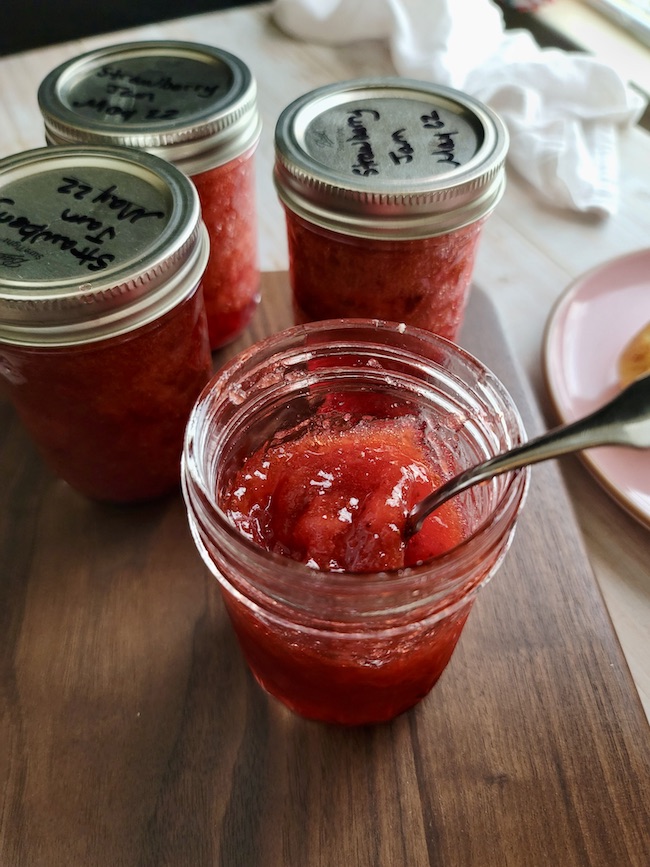
Easy Strawberry Jam: Unveiling the Best Pectin-Free or Classic Recipe for Your Kitchen
There’s an undeniable magic in a jar of homemade strawberry jam. Its vibrant color, the burst of fresh fruit flavor, and the sheer satisfaction of knowing you created it yourself can elevate any breakfast, snack, or dessert. But for many, the idea of making jam from scratch can seem daunting, conjuring images of complex canning processes and specialized equipment. Fear not! Crafting delicious easy homemade strawberry jam is more accessible than you might think, with two primary approaches offering unique benefits: the rapid, bright flavor of a pectin-enhanced recipe, and the traditional, deep taste of a pectin-free version. Let's explore both paths to help you decide which jam-making adventure suits you best.The Pectin Power-Up: Mastering Easy Freezer Strawberry Jam
For those new to the world of preserves or simply seeking the quickest route to jam nirvana, the pectin-enhanced method, often associated with freezer jam, is a true game-changer. This approach significantly simplifies the process, making it incredibly beginner-friendly.What is Pectin and Why Use It?
Pectin is a naturally occurring soluble fiber found in fruits, acting as a gelling agent. When combined with sugar and acid, it forms the familiar jelly-like texture of jam. Commercial pectin, often derived from apples or citrus peels, allows you to create a firm set with less cooking time, preserving the incredibly fresh flavor and vibrant color of the strawberries. The beauty of freezer jam is that it eliminates the need for a hot water bath or complicated canning procedures. You won't need to worry about sterilizing jars for long-term shelf storage at room temperature; instead, your homemade goodness goes straight into the fridge or freezer. This means:- Quick & Easy: Minimal time spent over a hot stove. The fruit isn't cooked extensively, maintaining its raw essence.
- Bright, Fresh Flavor: Because the strawberries aren't cooked for long, the jam tastes remarkably like biting into a fresh berry. It's pure "strawberry sunshine" in a jar!
- Perfect for Beginners: If you've been hesitant to try jam-making, this is an excellent starting point. The process is straightforward: mash berries, dissolve sugar, boil pectin briefly, then combine.
The Art of Simplicity: Crafting Easy Strawberry Jam Without Pectin
If you prefer a more traditional approach, relying on fewer ingredients and the magic of heat, making strawberry jam without added pectin is a rewarding experience. This method lets the natural pectin present in the strawberries, along with sugar and often a touch of lemon juice, do all the work.How Pectin-Free Jam Thickens
Strawberries naturally contain some pectin, though not as much as, say, apples or citrus. To achieve a good set without added commercial pectin, two things are crucial: sugar and cooking time. As the fruit cooks with sugar, water evaporates, concentrating the natural pectin and allowing it to gel. Lemon juice is often added to pectin-free recipes not only for flavor but also because the acidity helps activate the natural pectin in the fruit, aiding in the setting process. The key ingredients are elegantly simple: fresh strawberries, sugar, and a squeeze of lemon juice. While the cooking process is longer than with freezer jam, the result is a deeper, more intensely flavored jam with a traditional, spoonable texture. Here are some insights for a successful pectin-free jam:- Small Chunks are Key: To avoid a very chunky jam, take the time to cut your strawberries into small pieces. You can even use a food processor for a quicker, smoother breakdown, allowing for more even cooking and a consistent texture.
- Stir Frequently: As the jam cooks down on the stovetop, it can easily burn at the bottom of the saucepan. Frequent stirring with a heatproof spatula is essential to distribute the heat evenly and prevent sticking. This also helps in the evaporation process.
- Cook in Small Batches: Resist the urge to double or triple your recipe if you're aiming for larger quantities. Cooking too much jam at once can lead to uneven cooking and overcooked fruit, impacting both flavor and set. It's better to make several smaller batches.
- Mind the Doneness: Jam continues to thicken as it cools. Overcooking can lead to a jam that’s too stiff or even candy-like. A common trick is the "cold plate test": spoon a small amount of hot jam onto a chilled plate, let it cool for a minute, then push it with your finger. If it wrinkles, it's ready.
Pectin vs. Pectin-Free: Choosing Your Perfect Jam Journey
Deciding between adding pectin or letting nature take its course depends on your preferences for flavor, texture, and the jam-making experience itself. Here’s a quick comparison to guide your choice:Flavor Profile:
- Pectin-Added (Freezer Jam): Tastes brighter, fresher, more like raw strawberries.
- Pectin-Free: Offers a deeper, more caramelized cooked strawberry flavor due to longer simmering.
Texture:
- Pectin-Added: Often has a softer, more gel-like set, holding the shape of the fruit.
- Pectin-Free: Can be a bit thicker and more spreadable, with a rustic, home-style consistency.
Cook Time:
- Pectin-Added: Very quick, with minimal time spent cooking the fruit.
- Pectin-Free: Requires longer simmering on the stovetop to reduce and thicken.
Ingredients:
- Pectin-Added: Requires commercial pectin.
- Pectin-Free: Uses only fruit, sugar, and lemon juice (fewer specialized ingredients).
Skill Level & Attention:
- Pectin-Added: Truly beginner-friendly, forgiving, less prone to burning.
- Pectin-Free: Still accessible for beginners, but requires more frequent stirring and attention to prevent burning and achieve the right set.
Storage:
- Pectin-Added (Freezer Jam): Must be stored in the refrigerator for up to 3 weeks or frozen for up to a year.
- Pectin-Free: Can also be refrigerated or frozen, and if properly canned (using a water bath), it can be shelf-stable for longer periods.
Expert Tips for Irresistible Homemade Strawberry Jam
Regardless of which method you choose for your easy homemade strawberry jam, a few universal tips will help ensure your success and elevate your creation:- Source the Best Berries: The quality of your jam starts with the fruit. Use fresh, ripe, in-season strawberries for the most intense flavor. Avoid overripe or underripe berries, as they can affect both flavor and pectin content.
- Precise Measurements Matter: Especially for pectin-enhanced recipes, stick to the exact measurements for fruit, sugar, and pectin. For pectin-free, while there's a little more wiggle room, consistent ratios help achieve a good set.
- Clean Jars are Crucial: Even for freezer jam that isn't formally canned, using clean jars is essential for food safety and preventing spoilage. Wash and rinse them thoroughly.
- Embrace the Mash: Whether by hand with a potato masher or briefly with a food processor, mashing the berries helps release their juices and speeds up cooking/gelling.
- Patience is a Virtue: Especially with pectin-free jam, don't rush the cooking process. It takes time for the liquid to reduce and the jam to reach its setting point. Trust the process and those handy tests (like the cold plate test!).
- Experiment with Flavor: While pure strawberry is divine, don't be afraid to add a hint of vanilla extract, a tiny splash of balsamic vinegar (surprisingly good with strawberries!), or a whisper of black pepper for an unexpected layer of complexity.
