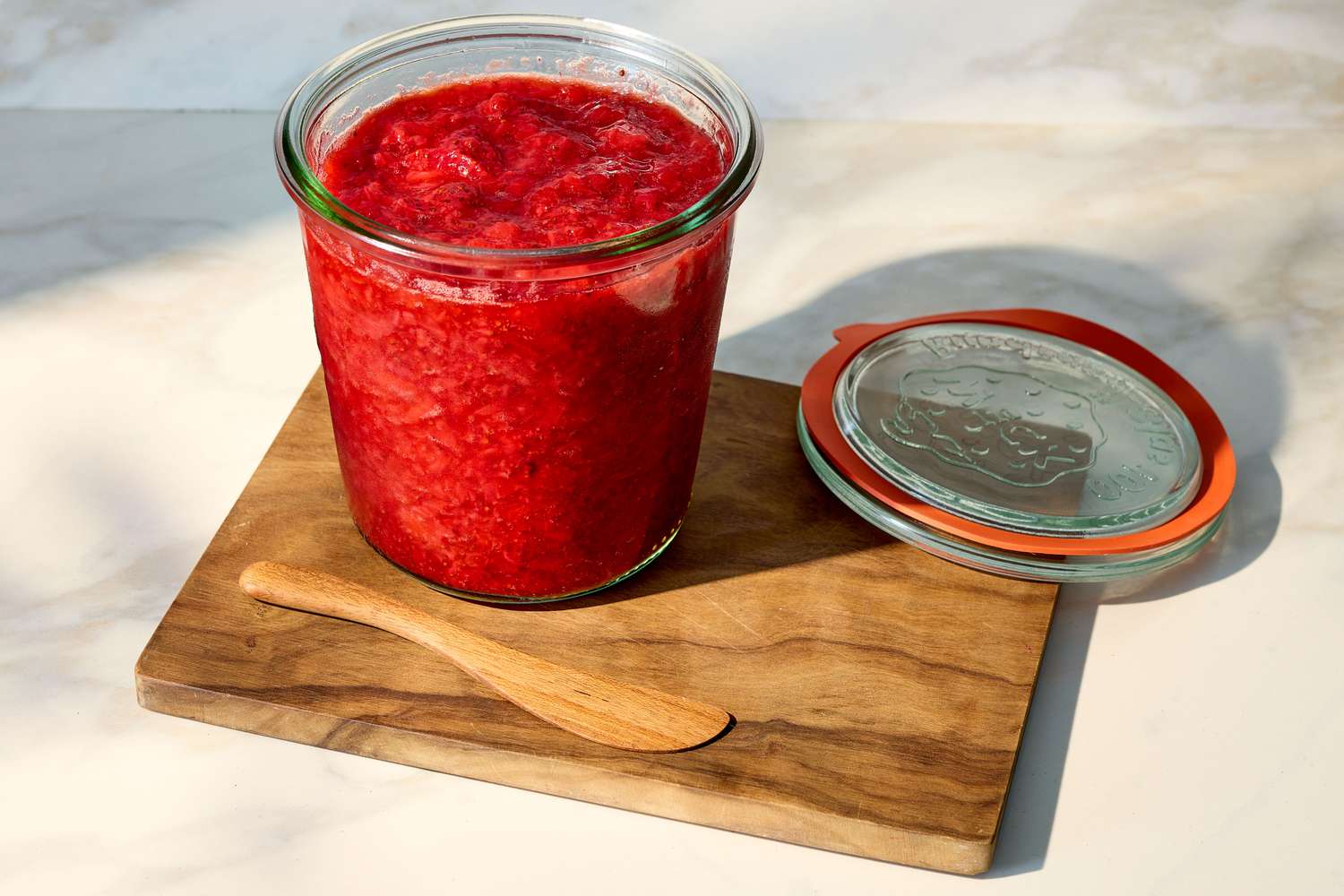
Quick Homemade Strawberry Jam: Fresh Taste, No Canning Required
Imagine waking up to the irresistible aroma of warm toast, generously slathered with a vibrant, intensely fruity strawberry jam that you made yourself. Now, imagine that making this jam didn't involve complicated canning equipment or hours of fussy sterilizing. Sound too good to be true? Not at all! Creating a batch of truly delicious and
easy homemade strawberry jam is one of the most rewarding kitchen projects, and it's far simpler than many people believe.
For years, the thought of making jam from scratch seemed daunting, reserved for seasoned homesteaders with generations of canning experience. But the truth is, you don't need a hot water bath or specialized pressure canners to enjoy the pure, unadulterated flavor of fresh strawberries preserved in a jar. This guide will walk you through stress-free methods that prioritize fresh taste and ease, ensuring your fridge (or freezer!) is stocked with a spread that utterly outshines any store-bought alternative. Get ready to experience the pure joy of a simple, satisfying kitchen adventure!
Embrace the Simplicity of Homemade Strawberry Jam
Why bother making your own jam when there are countless options available at the grocery store? The answer lies in an unparalleled freshness and flavor profile that mass-produced jams simply can't replicate. When you make jam at home, you control the ingredients, opting for the ripest, most flavorful strawberries and avoiding artificial preservatives or excessive sugar. The result is a brighter, more authentic taste that truly captures the essence of summer berries.
Beyond the superior taste, there's an undeniable satisfaction in crafting something delicious with your own hands. It’s a kitchen project perfect for beginners, offering a tangible reward for minimal effort. This article will focus on two incredibly accessible methods: freezer jam, which maintains a raw fruit flavor, and stovetop jam, which often requires no added pectin. Both are fantastic ways to dive into the world of jam-making without the intimidation of traditional canning. It's time to transform those beautiful berries into something truly special!
Freezer Jam: The Ultimate Beginner-Friendly Method
If you're looking for the absolute easiest path to delicious, fresh-tasting jam, freezer jam is your golden ticket. This method, often referred to as "no-cook" jam (though the pectin solution does require boiling), prioritizes the vibrant, raw flavor of fresh strawberries. There's no lengthy cooking down of fruit, which means the berries retain their bright color and juicy essence, tasting like summer sunshine in a jar. Best of all, it requires absolutely no specialized canning equipment or knowledge of hot water baths.
How Freezer Jam Works
The magic of freezer jam lies in the use of commercial pectin. Pectin is a natural gelling agent found in fruits, and by adding a concentrated form, you can achieve a perfect jam consistency without needing to cook the fruit extensively. The process typically involves mashing fresh strawberries, mixing them with sugar, and then stirring in a pre-boiled pectin solution. The jam then sets as it cools, ready for storage in the refrigerator or, as its name suggests, the freezer.
Key Benefits of Freezer Jam:
*
No Canning Skills Required: Simply pour into clean jars or freezer-safe containers and store.
*
Quick & Easy: The hands-on time is minimal, making it perfect for a spontaneous kitchen project.
*
Bright, Fresh Flavor: Because the fruit isn't cooked for long, the jam tastes incredibly fresh, like biting into a ripe strawberry.
*
Vibrant Color: The natural red hue of the strawberries is wonderfully preserved.
When choosing your ingredients for freezer jam, opt for the freshest, ripest strawberries you can find. They are the star of the show! Many brands offer specific pectin designed for freezer jam, often found in powdered form. Ensure your jars or containers are clean and freezer-safe. For a more detailed guide on this specific method, check out our
Beginner's Guide to Easy Freezer Strawberry Jam.
Stovetop Strawberry Jam: Pectin-Free Perfection
For those who prefer a slightly deeper, richer strawberry flavor and a jam that relies on natural thickening rather than added pectin, the stovetop method is a fantastic choice. This approach typically uses just three simple ingredients: fresh strawberries, sugar, and lemon juice. The beauty of this technique is its simplicity, showcasing how nature's own pectin, especially when combined with a little acidity, can create a beautifully set jam.
The Role of Ingredients and Process
In stovetop jam, the strawberries are cooked down with sugar and a splash of lemon juice. The sugar not only sweetens the jam but also acts as a preservative and helps draw out the fruit's natural moisture. Lemon juice is crucial here; its acidity helps activate the natural pectin present in the strawberries, aiding in the gelling process. As the mixture simmers, the water evaporates, and the fruit breaks down, concentrating the flavors and allowing the pectin to do its work.
Essential Tips for Stovetop Jam:
*
Small Batches Are Best: This is a critical tip for pectin-free jam! Trying to double or triple the recipe can lead to uneven cooking, over-reduction, or a jam that doesn't set properly. Work in smaller batches (e.g., using 1-2 quarts of berries at a time) to ensure consistent results. This allows for even heat distribution and makes it easier to monitor doneness.
*
Prepare Your Strawberries Properly: For a smoother jam, cut your strawberries into very small pieces or pulse them gently in a food processor. Smaller pieces break down more quickly and evenly during cooking, contributing to a better texture. If you prefer a chunkier jam, larger pieces are fine, but be prepared for a slightly longer cooking time.
*
Stir, Stir, Stir: As the jam cooks, especially once it starts to thicken, frequent stirring with a heatproof spatula is essential. This prevents the jam from sticking to the bottom of the saucepan and burning, ensuring even cooking and distribution of heat.
*
Know When It’s Done: The jam will thicken considerably as it cools, so don't overcook it on the stove. A common test is the "plate test": place a small dollop of hot jam on a chilled plate, let it cool for a minute, then push it with your finger. If it wrinkles and holds its shape, it's ready. Another sign is when the jam starts to cling to the back of your spoon or spatula.
This method results in a richly flavored jam with a delightful consistency that can be stored in the refrigerator for several weeks. For a deeper dive into the nuances of pectin-free versus classic jam recipes, explore our article on
Easy Strawberry Jam: Pectin-Free or Classic Recipe?.
Tips for the Best Easy Homemade Strawberry Jam Every Time
Whether you opt for the quick freshness of freezer jam or the deep flavor of stovetop jam, a few universal tips will elevate your homemade creation from good to absolutely unforgettable.
*
Start with Peak-Season Berries: The quality of your strawberries directly impacts the flavor of your jam. Choose firm, ripe, fragrant berries that are in season, ideally from a local farmer's market. Avoid bruised or overripe berries.
*
Balance the Sugar: While it might be tempting to reduce the sugar significantly for a "healthier" jam, remember that sugar plays a crucial role beyond just sweetness. It aids in gelling, helps preserve the fruit, and contributes to the jam's texture. For freezer jam, altering the sugar-to-pectin ratio can prevent it from setting. For stovetop jam, too little sugar can mean a jam that doesn't thicken properly or has a shorter shelf life.
*
Cleanliness is Key: Even if you're not doing traditional canning, using clean, sterilized jars and lids for your jam is important, especially for refrigerator storage. This helps prevent spoilage and extends the freshness of your jam.
*
Get Creative with Flavor: While pure strawberry jam is heavenly, don't shy away from subtle enhancements. A tiny splash of good quality vanilla extract can deepen the strawberry notes. A grind of black pepper or a few fresh basil leaves (removed before jarring) can add an unexpected gourmet twist. A tablespoon of balsamic vinegar can also wonderfully complement the strawberries.
*
Understand Storage: Freezer jam will last for up to a year in the freezer and about 2-3 weeks in the refrigerator once thawed. Stovetop jams, when stored in clean jars in the refrigerator, typically last for 3-4 weeks. Always label your jars with the date of preparation!
*
Explore Versatile Uses: Your homemade strawberry jam isn't just for toast! Drizzle it over yogurt, ice cream, or pancakes. Use it as a filling for thumbprint cookies, a glaze for roasted chicken or pork, or stirred into overnight oats. It's a fantastic secret ingredient in many desserts and savory dishes.
Whip Up Your Own Jar of Strawberry Sunshine!
Making your own
easy homemade strawberry jam is a truly delightful experience that yields incredible rewards. From the moment you slice those fresh berries to the first spoonful of your vibrant, homemade creation, you'll understand why this simple kitchen project brings so much joy. Whether you choose the quick raw freshness of freezer jam or the rich depth of a pectin-free stovetop method, you're guaranteed a taste of summer that far surpasses anything you can buy.
So, gather your fresh strawberries, pick your preferred method, and embark on this delicious journey. You'll not only fill your home with a wonderful aroma but also stock your fridge or freezer with a truly fresh, flavorful spread that will elevate every meal. Say goodbye to bland store-bought options and hello to your very own jar of strawberry sunshine!